
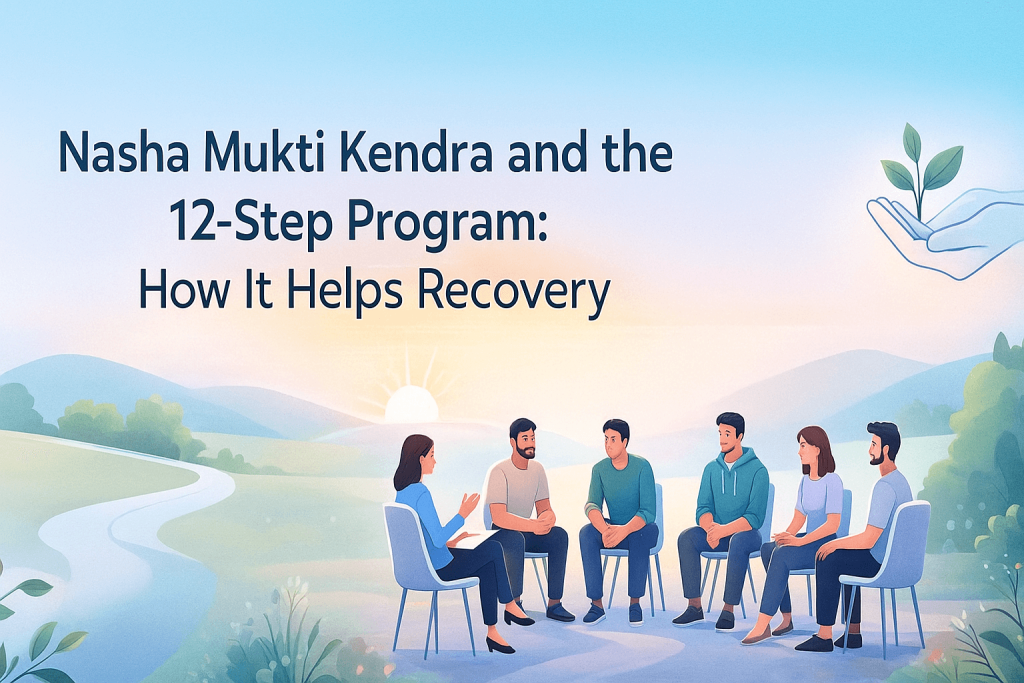
Addiction is a complex condition that affects the mind, body, emotions, and relationships. Over the years, various treatment methods have been developed, but one approach that has stood the test of time is the 12-Step Program. Many Nasha Mukti Kendras across India, especially in cities like Ghaziabad, Noida, Delhi, and surrounding regions, have adopted the 12-step model because of its proven ability to bring long-term, meaningful recovery.
The 12-Step Program is not just a treatment technique—it is a structured lifestyle model that encourages spiritual growth, self-awareness, accountability, and emotional healing. This article explains how Nasha Mukti Kendras integrate the 12-step method into their treatment plans, why it works, and how it helps individuals build a stable, addiction-free future.
What Is the 12-Step Program?
The 12-Step Program was originally developed by Alcoholics Anonymous (AA), and today it is widely used worldwide for treating alcohol, drug, and behavioural addictions. It consists of 12 guiding principles that help individuals understand their addiction, accept responsibility, make positive behavioural changes, and rebuild their lives.
Some of the core elements include:
-
Acceptance of the problem
-
Belief in a higher power (not necessarily religious)
-
Self-reflection
-
Making amends
-
Personal accountability
-
Continuous improvement
-
Helping others
Nasha Mukti Kendras modify this model to suit the cultural, emotional, and personal needs of individuals in India.
Why Nasha Mukti Kendras Use the 12-Step Program
There are several reasons why many professional rehabilitation centres use the 12-step model:
1. It Provides a Structured Path to Recovery
Recovery becomes manageable when it is broken into clear steps. The 12-step model offers a well-defined path that every person can follow.
2. Encourages Self-Awareness
Many individuals start understanding their triggers, emotions, and behaviours during the early steps. This awareness reduces the chances of relapse.
3. Community and Peer Support
The biggest strength of the 12-step model is group involvement. Sharing challenges and victories with others in recovery creates a powerful support network.
4. Helps Build Discipline
12-step meetings, assignments, and daily routines build discipline—something essential for staying sober.
5. Focuses on Long-Term Healing
Unlike short-term detox programs, the 12-step model encourages continuous personal growth long after treatment ends.
How Nasha Mukti Kendras Integrate the 12-Step Program
Each Nasha Mukti Kendra may follow its own structure, but most integrate the 12-step principles in a systematic and supportive manner.
1. Detoxification and Physical Stabilization
The first step is helping the patient overcome withdrawal symptoms through medical supervision, medication, and emotional support. Once physical stability is achieved, the person can fully participate in the 12-step process.
2. Orientation to the 12-Step Philosophy
Counsellors explain what the 12 steps are, how they work, and why they are essential. This helps the individual prepare mentally and emotionally.
3. Group Meetings and Peer Support
Daily or weekly group sessions are conducted where individuals:
-
Share their experiences
-
Learn from others
-
Practice honesty and openness
-
Receive encouragement during difficult days
Group therapy is a major part of the 12-step culture.
4. Step-by-Step Guidance From Trained Counsellors
Counsellors guide each person through the steps, helping them complete assignments, understand personal behaviours, and reflect honestly. This personalised guidance makes the process effective and meaningful.
5. Spiritual and Emotional Strengthening
The 12-step model emphasizes spirituality, not religion. Activities may include:
-
Meditation
-
Mindfulness
-
Yoga
-
Journaling
-
Self-reflection exercises
These practices help individuals gain emotional balance and inner strength.
6. Making Amends and Rebuilding Relationships
One of the most impactful steps is making amends with people who were hurt due to addiction. This process helps individuals:
-
Heal emotionally
-
Reduce guilt and shame
-
Rebuild trust
-
Strengthen family bonds
Nasha Mukti Kendras provide counselling sessions to support this process.
7. Relapse Prevention and Long-Term Support
Continued meetings, support groups, and aftercare programs ensure individuals stay committed to recovery even after leaving the centre.
How the 12-Step Program Helps in Recovery
Here are the main ways the 12-step model supports addiction recovery:
1. Promotes Acceptance and Honesty
The first step itself is acknowledging the addiction. This honesty is the foundation of long-term sobriety.
2. Builds Emotional Strength
Activities like sharing, meditation, and counselling help individuals regulate their emotions, reducing the risk of relapse.
3. Strengthens Social Skills and Communication
By sharing feelings and listening to others, individuals develop empathy, confidence, and better communication habits.
4. Develops a Sense of Purpose
Helping others and participating in the community gives purpose and meaning to life—something many individuals lacked during addiction.
5. Reduces Isolation
Addiction often isolates people. The 12-step model brings them back into a community where they feel accepted and understood.
6. Provides a Life-Long Recovery Path
Even after completing treatment, individuals can continue attending meetings and following the 12 steps for lifelong sobriety.
Key Benefits of the 12-Step Program in Nasha Mukti Kendra
-
Better emotional control
-
Improved decision-making
-
Reduced cravings
-
Strong support system
-
Long-term sobriety
-
Personal growth and discipline
-
Healthier relationships
-
Improved mental stability
The program is simple, powerful, and suitable for individuals of all ages.
FAQs: Nasha Mukti Kendra and the 12-Step Program
1. Is the 12-step program religious?
No. It is spiritual, not religious. It encourages finding inner strength through any higher power you believe in.
2. How long does it take to complete the 12 steps?
The duration varies. Some people complete it in a few months, while others may take longer. There is no fixed timeline.
3. Can the 12-step program cure addiction permanently?
No program can guarantee a permanent cure, but the 12-step model significantly improves long-term recovery and reduces relapse chances.
4. Do all Nasha Mukti Kendras follow the 12-step model?
Many centres use it, but not all. Some integrate additional therapies like CBT, DBT, yoga, mindfulness, and medical treatments.
5. Can family members participate in the 12-step process?
Yes. Many centres include family counselling and support groups to heal relationships.
6. Is the 12-step program suitable for severe addiction?
Yes, when combined with medical detox, counselling, and long-term rehabilitation.
7. Do I need to attend meetings after leaving the centre?
Yes. Aftercare meetings help maintain long-term sobriety and reduce relapse risk.